
The digital marketing landscape is shifting at lightning speed, and brands are seeking strategies that guarantee results. In 2025, performance marketing rises above the rest by offering the most measurable and ROI-driven approach for growth-focused companies.
Traditional marketing often leaves you guessing about impact. Today, every euro counts, and brands want to see exactly how their investments pay off. That’s where a performance marketer shines—by connecting spend directly to outcomes like leads, sales, and engagement.
This guide is built for those who want to stay ahead. You’ll gain proven frameworks, the latest tactics, and expert insights tailored to thrive in a data-centric, competitive environment.
Ready to master the essential skills and tools that set top performers apart? Dive in to uncover the fundamentals, must-have skills, 2025 trends, step-by-step campaign frameworks, optimization tactics, and career strategies every performance marketer needs.
Understanding Performance Marketing in 2025
The world of digital marketing is changing fast. In 2025, successful brands rely on strategies that prioritize data, transparency, and measurable outcomes. To stay ahead, a performance marketer must understand the core principles, channels, and challenges shaping the industry right now.
Defining Performance Marketing
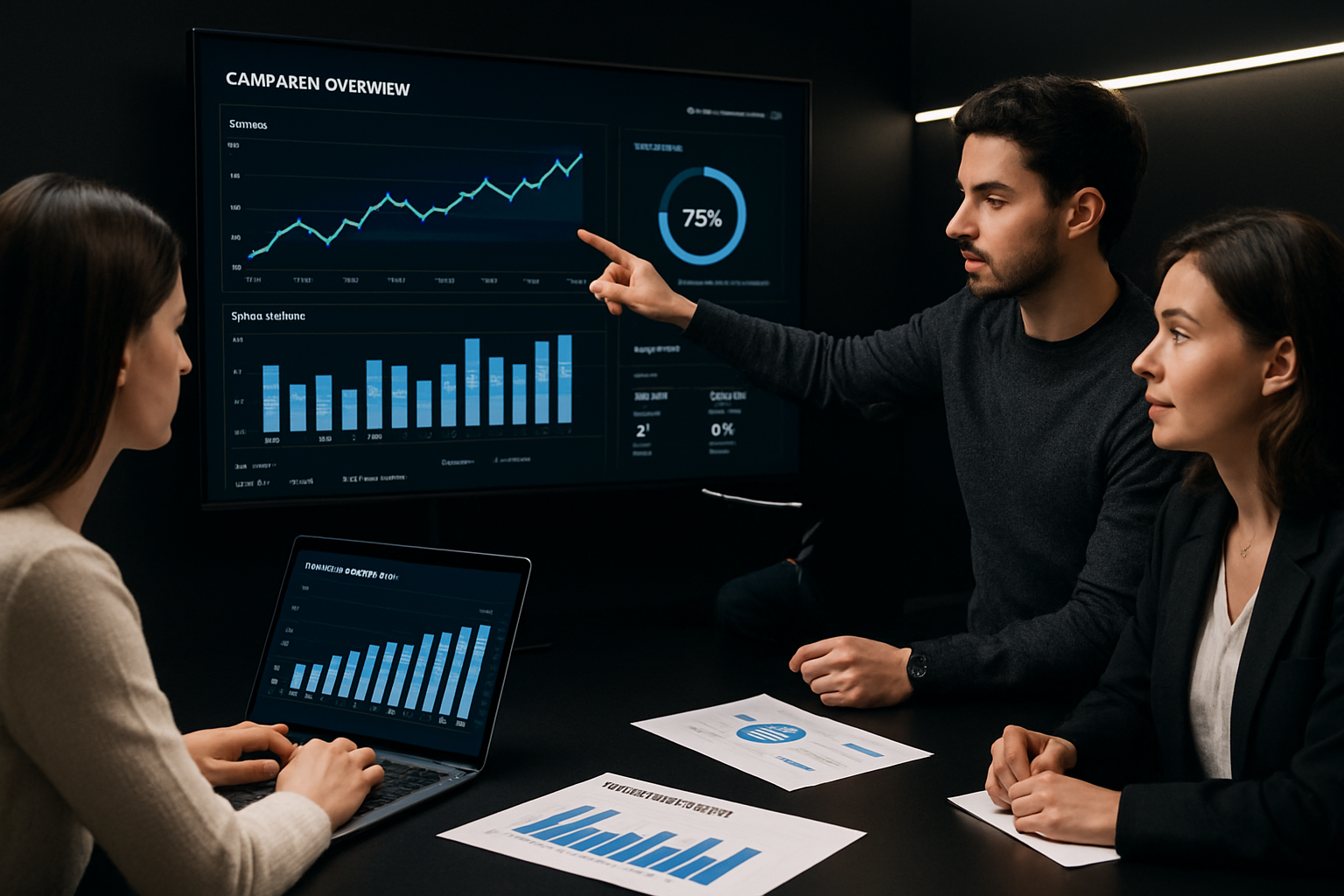
Performance marketing is a results-driven approach where advertisers only pay for specific, measurable actions like clicks, leads, or sales. Unlike traditional marketing, which often measures success by reach or impressions, this method focuses squarely on outcomes.
Key metrics for a performance marketer include cost per acquisition (CPA), cost per lead (CPL), click-through rate (CTR), return on investment (ROI), and conversion rates. Common examples are pay-per-click (PPC) ads, affiliate marketing, paid social campaigns, and influencer partnerships.
In 2025, the need for precise attribution and campaign transparency is at an all-time high, making performance marketing more essential than ever.
Core Channels & Models
A performance marketer leverages various channels to drive results. Paid search (like Google Ads), paid social (Meta, LinkedIn, TikTok), display, native, affiliate, and influencer campaigns are all key players.
Payment models include cost per click (CPC), cost per mille (CPM), cost per acquisition (CPA), cost per lead (CPL), and cost per sale (CPS). Choosing the right channel depends on your audience and objectives, while integrating multiple channels ensures a full-funnel impact.
For example, combining Google Ads with Instagram Stories can create a seamless journey that maximizes conversions across touchpoints.
| Channel | Example Platform | Best Use Case |
|---|---|---|
| Paid Search | Google Ads | High-intent queries |
| Paid Social | Meta, TikTok | Brand awareness, leads |
| Affiliate | Partner sites | Niche audiences |
| Influencer | Instagram, TikTok | Engagement, trust |
The Data-Driven Advantage
Data is the backbone of every high-performing campaign. A performance marketer relies on analytics to monitor, adjust, and optimize in real time. As the industry moves beyond third-party cookies, first-party data from CRM systems and consented users is more valuable than ever.
Attribution modeling also evolves, with many teams shifting from last-click to data-driven models for better accuracy. Over 70% of marketers now say data is their primary performance driver in 2025. For those looking to sharpen their analytics skills, exploring business intelligence and analytics platforms is essential.
Real-time optimization and deeper insights are no longer optional—they’re the new standard.
Benefits & Challenges in 2025
The benefits of performance marketing are clear: cost efficiency, measurable ROI, scalable customer acquisition, and precise targeting. For a performance marketer, these advantages mean campaigns can be quickly scaled or adjusted to maximize impact.
However, 2025 also brings fresh challenges. Attribution is more complex, and new privacy rules like GDPR and ePrivacy require careful compliance. Rising ad costs and data restrictions force marketers to be more agile.
For example, stricter privacy laws are reshaping how campaigns are designed and measured. Brands that embrace agility and continuous learning see up to 25% higher ROI, proving the value of staying ahead in a fast-moving landscape.
Essential Skills & Mindset for Performance Marketers
To thrive as a performance marketer in 2025, mastering both hard and soft skills is essential. The landscape demands a blend of analytical acumen, creativity, adaptability, and strong collaboration. Let’s break down the core capabilities every high-performing professional should cultivate.

Analytical & Technical Proficiency
A performance marketer must be fluent in data analysis, able to interpret dashboards and extract actionable insights from complex reports. Familiarity with analytics tools like Google Analytics and Looker Studio is non-negotiable. Basic coding skills in HTML or CSS can help troubleshoot tracking issues or implement custom tags. Embracing an experimentation mindset is crucial—A/B testing and rapid iteration allow for optimization on the fly. For example, a performance marketer might use real-time data to pivot a campaign that’s underperforming, reallocating budget or tweaking creative assets to boost results. Technical know-how sets the stage for measurable impact.
Strategic & Creative Thinking
Developing effective strategies means going beyond numbers. A successful performance marketer aligns cross-channel campaigns with broader business objectives, ensuring each touchpoint serves a purpose. Creativity is just as vital—writing compelling ad copy and designing engaging visuals drive higher engagement rates. The real magic happens when automation tools are used to scale, without losing the human touch in messaging. For example, integrating dynamic creative assets with data-driven targeting can elevate campaign performance. Balancing the art and science of marketing empowers a performance marketer to achieve standout results.
Adaptability & Continuous Learning
The digital ecosystem evolves at lightning speed, so a performance marketer must stay ahead of the curve. Keeping up with platform updates, algorithm changes, and the latest AI tools is essential. Embracing automation can streamline workflows, but ongoing upskilling through online courses and certifications (like Google or Meta) future-proofs your expertise. Exploring resources such as the Digital marketing blog insights is invaluable for staying current with trends and practical tips. For instance, learning to leverage new TikTok ad formats in 2025 could give your campaigns a fresh edge.
Collaboration & Communication
No performance marketer operates in a vacuum. Success relies on working closely with designers, developers, and sales teams to execute seamless campaigns. Translating complex data into actionable recommendations for stakeholders ensures everyone is aligned. Building strong cross-functional relationships helps bridge gaps between marketing and product or tech teams. For example, collaborating with product managers to synchronize landing page messaging with ad creatives can lift conversion rates. Effective communication and teamwork are the glue that holds high-performing marketing efforts together.
2025 Performance Marketing Trends & Predictions
Staying ahead of the curve is crucial for any performance marketer looking to thrive in 2025. This year is packed with transformative trends, from AI-powered automation to new privacy standards and the explosive growth of novel ad formats. Let’s break down what’s shaping the landscape and how you can adapt to excel.
AI & Automation in Campaign Management
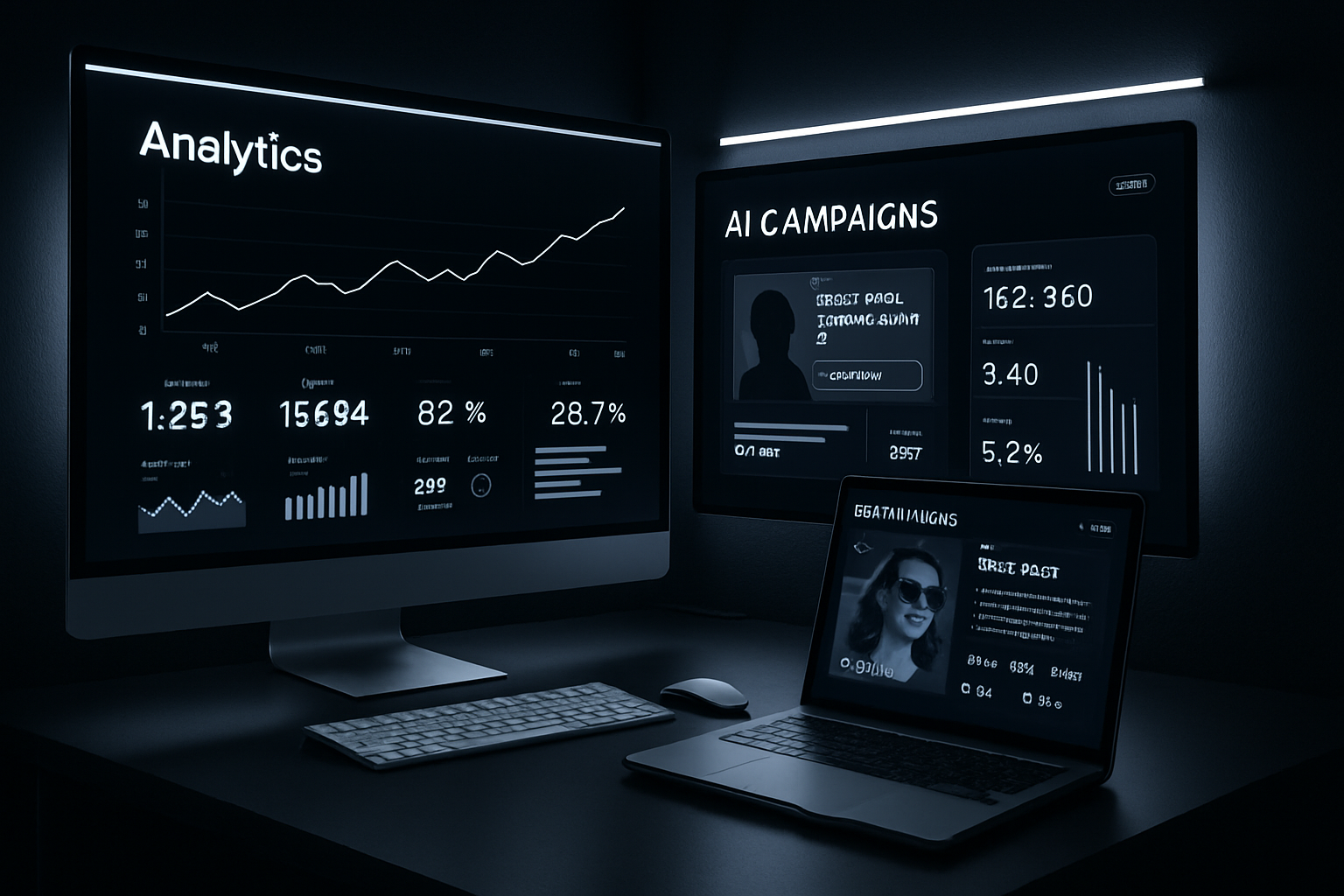
Artificial intelligence is now at the core of campaign management for the modern performance marketer. In 2025, AI tools handle everything from advanced audience segmentation to real-time creative optimization and automated bidding. Predictive analytics help allocate budgets more efficiently, ensuring resources go where they drive the most value.
For example, dynamic creative optimization powered by AI can adapt ad messaging on the fly, tailoring content to each user segment. According to recent industry data, 60% of marketers now automate at least one campaign component. If you want to dive deeper into how automation is reshaping performance marketing, check out these AI-driven campaign strategies.
Privacy, Attribution & First-Party Data
With the phase-out of third-party cookies and stricter privacy regulations, a performance marketer must prioritize first-party data collection. This means capturing emails, leveraging CRM systems, and securing user consent for tracking. New attribution models are emerging, moving beyond last-click to data-driven and multi-touch approaches.
Implementing server-side tracking is becoming essential for accurate measurement in a privacy-first world. Navigating these changes while maintaining transparency is challenging, but those who adapt will see better campaign performance and user trust. Expect attribution complexity to increase, but so will the opportunities for marketers who master these new tools.
Omnichannel & Cross-Device Strategies
The customer journey in 2025 is more fragmented than ever. For a performance marketer, integrating campaigns across search, social, display, and native channels is non-negotiable. Cross-device tracking has become the norm, mapping consumer interactions from mobile to desktop and beyond.
Sequencing ads across different platforms—like starting with a mobile video and following up with a desktop display ad—can boost conversion rates significantly. Omnichannel strategies not only improve reach but also ensure a cohesive brand experience at every touchpoint. The key is seamless integration and real-time data sharing across all channels.
Rise of New Ad Formats & Platforms
Ad formats are evolving rapidly, opening up exciting opportunities for the performance marketer. Video, interactive, and shoppable ads are gaining serious traction, especially on platforms like TikTok and within retail media networks. The surge in video ad spend—projected to grow by 20% in 2025—reflects changing consumer preferences.
Emerging formats such as TikTok Spark Ads engage Gen Z audiences with authenticity and creativity. Retail media networks are also becoming powerhouses for digital advertising, offering new ways to reach shoppers directly at the point of purchase. Staying agile and testing these formats will be crucial for campaign success.
Step-by-Step Framework: Building a High-Performance Campaign
Launching a winning campaign as a performance marketer in 2025 requires a precise, data-driven approach. Each phase builds on the last, ensuring you’re not just spending, but investing for measurable results. Here’s a proven framework to guide your next high-performance campaign from concept to scale.
Step 1: Set Clear, Measurable Objectives
Every successful performance marketer starts with sharply defined goals. Begin by aligning campaign KPIs with broader business targets, such as increasing sales, driving leads, or boosting app installs. Use the SMART framework: goals should be Specific, Measurable, Achievable, Relevant, and Time-bound. For example, a performance marketer might set a target cost per acquisition (CPA) of €15 for a lead generation effort. This clarity guides every decision, making it easier to track progress and optimize. Always ensure objectives are realistic and ambitious enough to drive growth.
Step 2: Audience Research & Segmentation
Understanding your audience is non-negotiable for a performance marketer. Dive into both first-party and third-party data to uncover patterns in demographics, behaviors, and intent. Segment audiences into actionable groups—think age, location, purchase history, or interests. Use these segments to build lookalike audiences and retarget previous visitors. For example, a performance marketer might create a custom audience of high-value repeat buyers for a loyalty campaign. The more granular your segmentation, the more relevant and effective your messaging will be.
Step 3: Channel & Budget Planning
A performance marketer knows that channel selection and budget allocation can make or break a campaign. Choose platforms that best match your audience and objectives, whether it’s Google Ads, Meta, or emerging retail media networks. Allocate budgets based on past performance and predictive analytics, leaving room for testing. For those looking for local expertise, exploring digital advertising in Madrid offers insights into optimizing regional campaigns. For example, a performance marketer might split spend across paid search, social, and display to maximize reach and efficiency.
Step 4: Creative Development & Messaging
Compelling creative is the engine of every performance marketer’s campaign. Develop tailored ad copy and visuals for each channel and audience segment. Test multiple variants to see what resonates—A/B or multivariate testing works wonders. Consistency is key: ensure your brand’s voice and aesthetic are present, while complying with platform-specific guidelines. For instance, a performance marketer might test two different value propositions on Facebook Ads to see which drives more engagement. Creative agility can unlock significant performance gains.
Step 5: Launch, Track & Optimize
Once live, a performance marketer shifts focus to monitoring and real-time optimization. Implement robust tracking—think UTM parameters, pixels, and server-side solutions—for accurate measurement. Monitor campaigns daily, using dashboards to spot trends and anomalies. Adjust bids, budgets, and creative assets as data dictates. For example, a performance marketer might pause underperforming ads and reallocate spend to top performers. This iterative process ensures resources are always directed where they deliver the highest ROI.
Step 6: Reporting & Scaling Success
The final step for a performance marketer is to report, analyze, and scale. Build clear, actionable reports for stakeholders, using dashboards or executive summaries to highlight key outcomes. Dive into attribution data to understand which channels and tactics drove results. Scale up investments in high-performing campaigns and sunset those that lag. For instance, a performance marketer could double spend on a channel that’s outperforming targets after a thorough review. Continuous learning from each campaign iteration is essential for future growth.
Advanced Optimization Strategies for Maximum ROI
Unlocking maximum ROI requires a performance marketer to go beyond basic setup and embrace advanced optimization. As competition intensifies, these strategies separate top performers from the rest. Let’s explore the proven techniques that will keep you ahead in 2025.
Data-Driven Testing & Experimentation
For every performance marketer, rigorous experimentation is the backbone of campaign growth. Running continuous A/B and multivariate tests on ads, audiences, and landing pages helps uncover what truly resonates. Focus on variables like headlines, visuals, CTAs, and audience segments.
Harnessing AI accelerates this process. By 2025, nearly 90% of advertisers will use generative AI to build and test video ads, making experimentation faster and smarter. Generative AI in video advertising helps marketers iterate creative assets at scale. Always rely on statistical significance before rolling out changes. For example, a simple headline tweak can boost CTR by 15%. Every performance marketer must adopt a test-and-learn mindset.
Conversion Rate Optimization (CRO)
Conversion Rate Optimization is a critical lever for any performance marketer aiming to maximize results from existing traffic. Start by ensuring landing pages load quickly and look great on all devices. Use heatmaps and session recordings to spot user friction points.
Personalization, such as dynamic content based on user behavior, can significantly lift engagement. Simplify forms and reduce required fields for smoother conversions. For instance, streamlining a lead form from six fields to three can increase completion rates dramatically. A performance marketer who prioritizes CRO turns every click into a genuine opportunity.
Budget Allocation & Bid Management
A performance marketer must master the art of smart budget allocation and bid management. Automated bidding strategies, like target ROAS or target CPA, allow campaigns to react instantly to changing market conditions.
Use real-time data to shift budgets toward high-performing channels or creatives. Plan for seasonal peaks, and don’t hesitate to reallocate spend as trends emerge. For example, adjusting bids dynamically during a flash sale can capture incremental conversions without overspending. With predictive analytics, a performance marketer ensures every euro is invested for the highest possible return.
Attribution & Incrementality Measurement
Understanding what truly drives results is vital for the modern performance marketer. Multi-touch attribution models provide a fuller picture of the customer journey, showing how each touchpoint contributes to conversions. Go beyond last-click attribution and consider data-driven or algorithmic models.
Incrementality tests, such as geo-lift or holdout experiments, help isolate the real impact of your campaigns. For example, running a regional test can reveal whether increased spend genuinely lifts sales or just shifts existing demand. A performance marketer who masters attribution can confidently defend campaign investments and optimize with precision.
Scaling & Automation
Automation is every performance marketer’s secret weapon for scaling success. Use scripts, AI tools, and workflow automation to handle routine tasks like pausing underperforming ads or reallocating budgets based on performance thresholds.
Set up rules to automatically pause ads that fall below a set CTR, or to increase spend on winning creatives. Automation not only saves time but also reduces human error, letting you focus on strategy and creative innovation. As campaigns grow, a performance marketer leveraging automation can maintain control and agility, even across dozens of channels.
Essential Tools & Platforms for Performance Marketers in 2025
To thrive as a performance marketer in 2025, mastering the right mix of tools and platforms is non-negotiable. With data privacy tightening and digital channels multiplying, your toolkit determines how efficiently you can track, optimize, and scale campaigns. Let’s explore the essentials every performance marketer should have on their radar.
Analytics & Tracking Solutions
Any successful performance marketer relies on robust analytics and tracking solutions. Google Analytics 4 is now the industry standard, giving a unified view of user journeys across web and app. Features like event-based tracking and AI-powered insights help you understand what drives conversions.
Server-side tracking is essential for privacy-compliant data collection, especially as third-party cookies disappear. This approach ensures you still capture vital signals for attribution and optimization.
Top platforms:
- Google Analytics 4: Unified measurement, predictive insights.
- Looker Studio: Custom dashboards for real-time reporting.
- Matomo: Self-hosted, privacy-centric analytics.
A performance marketer uses these tools to interpret campaign data, refine targeting, and report ROI with confidence.
Channel Management Platforms
Managing campaigns across multiple channels is a core skill for every performance marketer. The leading platforms—Google Ads, Meta Ads Manager, TikTok Ads, and LinkedIn Campaign Manager—offer advanced targeting, creative management, and automated reporting.
With the explosion of retail media and social commerce, channel selection is more strategic than ever. For social, leveraging social media management strategies can amplify your impact and efficiency.
Key platforms:
- Google Ads: Search, display, shopping campaigns.
- Meta Ads Manager: Facebook, Instagram, WhatsApp integration.
- TikTok Ads: Short-form video, influencer partnerships.
- LinkedIn Campaign Manager: B2B lead generation.
A performance marketer coordinates these platforms to maximize reach and drive measurable results.
CRO & Testing Tools
Conversion Rate Optimization (CRO) is where a performance marketer turns traffic into tangible business outcomes. Leading tools like Optimizely, VWO, and Google Optimize enable A/B and multivariate testing of landing pages, forms, and calls-to-action.
Heatmap solutions such as Hotjar and Crazy Egg reveal how users interact with your site, pinpointing friction points and opportunities for improvement.
Comparison Table:
| Tool | Best For | Key Feature |
|---|---|---|
| Optimizely | A/B Testing | Experimentation |
| VWO | Multivariate Tests | Personalization |
| Hotjar | Heatmaps | Session Recording |
Using these tools, a performance marketer can test, learn, and iterate for higher conversion rates.
Automation & Workflow Tools
Automation is a game-changer for the modern performance marketer. Platforms like Zapier and HubSpot streamline repetitive tasks, integrate data sources, and trigger real-time actions. AI-powered tools such as Jasper and Canva AI accelerate creative production.
Staying ahead means embracing the latest in marketing automation and AI. Insights from AI’s role in marketing evolution show how advanced algorithms are transforming everything from audience targeting to campaign optimization.
Popular automation tools:
- Zapier: Workflow automation across apps.
- HubSpot: Integrated marketing automation and CRM.
- Hootsuite: Social media scheduling and analytics.
By adopting automation, a performance marketer saves time and scales results without sacrificing quality.
Career Growth & Future-Proofing as a Performance Marketer
Stepping into 2025, the career path for a performance marketer is more dynamic than ever. Whether you’re new to the field or seeking advancement, continuous growth is essential to stay competitive and future-proof your expertise.
Evolving Roles & Opportunities
The role of a performance marketer is evolving rapidly, offering a clear path from entry-level to leadership. You can start as a specialist, mastering paid search or social campaigns, then progress to manager and director roles. Many organizations now seek growth marketers who blend analytics and creative skills.
In 2025, emerging opportunities include:
- Paid Search Specialist
- Performance Marketing Manager
- Growth Marketer
- Head of Growth or CMO
For example, a performance marketer might begin as an analyst, move up to manage teams, and eventually shape marketing strategy at the executive level.
Key Certifications & Learning Paths
Certifications are critical for any performance marketer aiming to stand out. Recognized programs include:
- Google Ads Certification
- Meta Blueprint
- HubSpot Inbound Marketing
- SEMrush Academy
With AI and automation reshaping digital marketing, new certifications in AI marketing and data analytics are gaining traction. Staying current with online courses and workshops ensures you retain a competitive edge as a performance marketer.
A well-rounded learning path keeps you agile and ready for emerging trends.
Building a High-Impact Portfolio
A high-impact portfolio is essential for every performance marketer. Focus on quantifiable campaign results, showcasing how your strategies improved metrics like ROI, CPA, or conversion rates.
Tips for a compelling portfolio:
- Highlight cross-channel campaigns
- Use before-and-after data visualizations
- Include case studies with measurable outcomes
For instance, a performance marketer might present a case where campaign optimizations led to a 30% increase in lead quality, demonstrating both skill and impact.
Networking & Industry Engagement
Active networking is vital for a performance marketer’s growth. Join LinkedIn groups, attend webinars, and participate in industry forums to exchange knowledge and stay updated.
Consider these strategies:
- Join professional groups on LinkedIn
- Attend digital marketing conferences and workshops
- Engage in peer-to-peer learning
Learning from other performance marketers helps you adapt faster and build a robust professional network.
Digitalvar: Your Performance Marketing Partner
If you’re an SME or startup seeking measurable growth, Digitalvar is your go-to partner. As a performance marketer, collaborating with Digitalvar means access to personalized, data-driven strategies across SEO, paid advertising, analytics, social media, and custom web design.

Their transparent, results-oriented approach ensures you achieve your goals efficiently. With offices in Madrid and Gijón, Digitalvar supports clients throughout Spain. Discover more or request a consultation at digitalvar.es.
Salary Trends & Global Opportunities
The global demand for performance marketers continues to rise, with salaries reflecting experience, specialization, and location. Here’s a snapshot:
| Region | Typical Salary Range |
|---|---|
| USA | $80,000–$100,000 |
| India | ₹4–8 lakh |
| UK | £25,000–£50,000 |
| Australia | AUD 50,000–90,000 |
| Germany | €40,000–60,000 |
Remote and hybrid roles are surging, especially for those with AI and analytics expertise. A performance marketer with advanced skills can command premium compensation and access global opportunities.
Digital marketing agency in Dubai | Digital marketing agency in Spain