
Are you ready to future-proof your business and thrive in the ever-evolving digital landscape? The rules of online marketing are shifting at lightning speed.
To help you conquer the challenges ahead, this guide delivers actionable strategies and expert tips for marketing internet success in 2025. Whether you’re a brand, entrepreneur, or marketer, you’ll find a step-by-step blueprint designed for results.
Discover proven tactics for every major channel—SEO, content, social, email, video, PPC, and influencer marketing. Stay ahead of competitors, adapt to new trends, and unlock the insights you need to win.
Use this guide as your go-to marketing playbook for the year ahead.
The Evolution of Internet Marketing in 2025
The pace of change in the marketing internet landscape is nothing short of astonishing. As we head into 2025, brands are navigating a digital terrain shaped by rapid shifts in technology, consumer behavior, and regulatory frameworks. Understanding these transformations is crucial for anyone aiming to stay ahead and thrive.
Major Digital Shifts and Consumer Trends
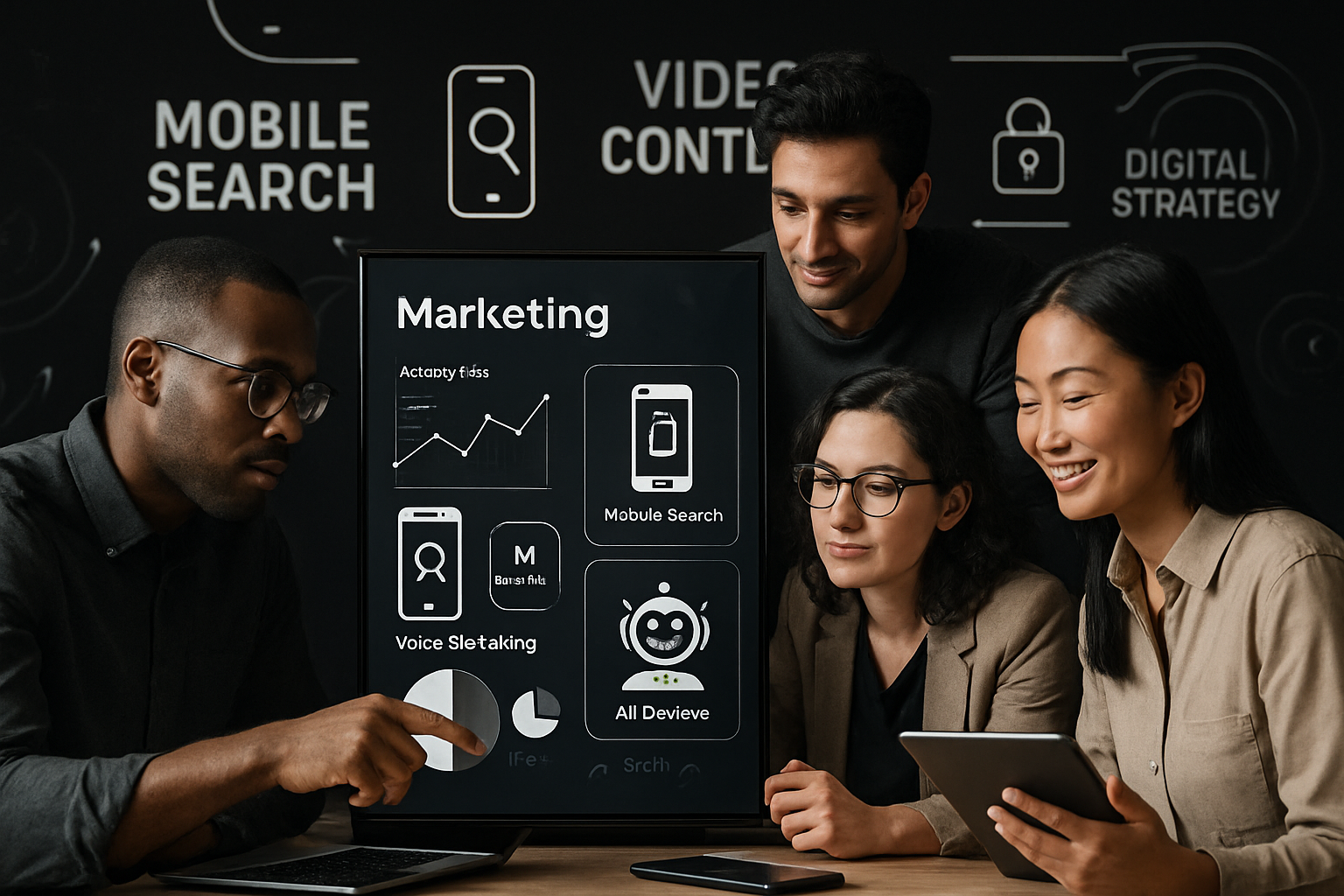
Consumers are rewriting the rules of engagement in the marketing internet era. Mobile and voice search now dominate, accounting for over 70% of global queries. People expect hyper-personalized experiences, driven by AI-powered recommendations and dynamic content.
Data privacy is also taking center stage. Regulations like GDPR and CCPA, along with cookie restrictions, are forcing marketers to rethink targeting and analytics. At the same time, new content formats are exploding in popularity. Short-form video, interactive quizzes, and immersive AR/VR experiences are captivating audiences like never before.
Today’s internet users demand more than just catchy ads—they want authenticity, transparency, and brands that stand for something. This shift is fueling the move from third-party data toward first-party data collection and relationship marketing. For example, brands are increasingly deploying AI chatbots to deliver real-time, personalized customer engagement, meeting expectations for both speed and relevance.
If you want to see just how fast these trends are accelerating, the Global Digital Marketing Statistics 2025 report provides compelling data on rising digital ad spend, content consumption, and the adoption of new technologies.
Key Challenges and Opportunities for Marketers
The marketing internet environment in 2025 is more fragmented than ever. With new platforms emerging and organic reach shrinking, getting noticed is a real challenge. Marketers are battling content saturation and fierce competition for audience attention.
To overcome these hurdles, many brands are pivoting toward niche community building and collaborating with micro-influencers who resonate deeply with specific audiences. This approach often yields more meaningful engagement and loyalty than traditional mass marketing.
Omnichannel strategies are now essential. Customers expect seamless journeys across social, web, email, and beyond. Brands that unify messaging and experiences across platforms are achieving remarkable engagement and conversion rates. For instance, cross-platform campaigns that blend Instagram Stories, YouTube Shorts, and email can dramatically amplify results.
Embracing these opportunities requires agility, experimentation, and a willingness to adapt. Marketers who harness the full potential of the marketing internet ecosystem will be best positioned to succeed.
The New Marketing Success Metrics
As the marketing internet matures, the focus is shifting from vanity metrics to metrics that truly drive business growth. Brands are now prioritizing customer lifetime value (CLV), retention rates, and community growth over surface-level indicators like likes and impressions.
Real-time analytics and agile campaign adjustments are also gaining traction. Marketers are leveraging advanced attribution models and UTM parameters to track ROI with greater accuracy. This data-driven approach enables smarter investment and faster responses to market changes.
Here’s a quick comparison of old vs. new marketing metrics:
| Old Metrics | New Metrics |
|---|---|
| Pageviews | Customer Lifetime Value |
| Likes/Followers | Engagement & Retention Rates |
| Click-through Rate | Community Growth |
| Impressions | ROI & Attribution |
An example: Brands using advanced attribution can pinpoint which channels drive the highest-value customers, optimizing their spend and creative for maximum impact.
Ultimately, the brands that measure what matters—and act on those insights—will lead the next wave of marketing internet innovation.
Core Internet Marketing Strategies for 2025
The landscape for marketing internet strategies is transforming rapidly as we head into 2025. Brands must embrace new approaches across every channel to stay visible and drive results. Let’s break down the core tactics you need for a robust and future-proof internet marketing plan.

Search Engine Optimization (SEO) and Content Marketing
SEO and content remain the backbone of any marketing internet strategy. In 2025, search engines prioritize user intent, engagement, and experience. Algorithms now reward content with E-E-A-T—Experience, Expertise, Authoritativeness, and Trustworthiness.
Advanced keyword research has evolved with AI tools, allowing marketers to uncover semantic opportunities and optimize for voice queries. On-page SEO involves structured data, featured snippets, and adapting to Google’s Search Generative Experience (SGE). Technical SEO focuses on mobile-first design, Core Web Vitals, and site speed, all essential for modern visibility.
Building authoritative backlinks through digital PR and partnerships gives your site more weight. Brands now optimize for zero-click searches, ensuring their answers appear directly on search results.
Social Media and Community Building
Social platforms are evolving, and so are marketing internet tactics. In 2025, it’s about building real communities, not just amassing followers. Platform-specific strategies matter—Instagram Reels and TikTok drive engagement, while LinkedIn newsletters and interactive polls build B2B authority.
Leverage user-generated content (UGC) and social proof to foster trust. Stay active with social listening to catch trends and respond in real time. Balancing paid and organic content is key; organic reach is shrinking, but paid boosts visibility.
Brands succeeding in marketing internet focus on authentic interactions, nurturing micro-communities, and encouraging conversation. This personal approach sets you apart in a crowded digital space.
Email Marketing and Automation
Email is still a powerhouse in marketing internet, especially as privacy changes limit third-party data. Build and segment first-party lists to deliver relevant content. Personalization at scale is possible with dynamic content blocks, behavioral triggers, and AI-driven recommendations.
Automated workflows, like welcome sequences and cart abandonment emails, keep leads engaged without manual effort. A/B test subject lines and timing for optimal performance. Ensure compliance with privacy regulations to maintain deliverability and trust.
Ecommerce brands, for example, use personalized product recommendations to boost average order value. A well-structured email strategy keeps your audience close and your marketing internet efforts efficient.
Video and Audio Content Strategies
Video and audio are now vital in marketing internet. Short-form content (Reels, Shorts) grabs attention, while long-form (webinars, podcasts) builds authority. Match your content format to both audience and platform for best results.
Live streaming, Q&A sessions, and webinars foster real-time connection. Repurpose content: turn webinars into podcasts or social clips to maximize reach. Accessibility matters—add captions, transcripts, and consider multilingual options.
Track watch time, engagement, and conversions to refine your approach. Brands multiplying their marketing internet reach do so by creating versatile content that lives across channels and formats.
Paid Advertising and PPC
Paid strategies are essential for marketing internet success in a privacy-first world. Contextual targeting is replacing cookie-based retargeting, making creative testing and messaging more important than ever. Integrate paid search, social, and display for omnichannel impact.
Smart bidding and AI-driven optimization help stretch your ad budget further. Use advanced analytics to measure and attribute ROI across all channels. Google Performance Max campaigns are a great example of cross-platform reach.
Retargeting is shifting, but with the right mix of channels and creative, your marketing internet investment remains effective and measurable.
Affiliate, Influencer, and Partnership Marketing
Affiliate and influencer marketing internet tactics are evolving in 2025. The focus is on finding the right partners—micro-influencers, niche communities, and industry experts with real audience trust.
Structure performance-based deals and track conversions carefully. Use influencer-generated content in ads, social posts, and emails to extend your brand’s reach. Authenticity and compliance with FTC guidelines are non-negotiable for lasting partnerships.
Direct-to-consumer brands are scaling by leveraging affiliate networks and Instagram creators. By aligning with trusted voices, your marketing internet strategy gains credibility, reach, and new opportunities for growth.
Step-by-Step Guide to Building Your 2025 Internet Marketing Plan
Building an effective marketing internet strategy for 2025 requires a structured, data-driven approach. The digital landscape is more complex than ever, but a clear roadmap helps you stay focused, agile, and competitive.
Below, you’ll find a step-by-step blueprint designed to help brands of all sizes develop and execute a winning marketing internet plan in today’s fast-moving environment.

Step 1: Define Goals, Audience, and Value Proposition
Start by setting clear, measurable goals for your marketing internet efforts. Use the SMART framework: goals should be Specific, Measurable, Achievable, Relevant, and Time-bound. Examples include increasing website traffic by 30%, generating 500 new leads, or boosting retention rates.
Next, build detailed buyer personas. Leverage first-party data, analytics, and customer feedback to understand your ideal audience’s demographics, pain points, and online behaviors. This ensures your marketing internet messaging resonates and drives action.
Clarify your unique selling points (USPs) and brand positioning. What makes your solution different? Why should your audience care? For example, a SaaS company might highlight a free trial and 24/7 customer support to attract mid-market businesses.
Step 2: Audit Your Current Digital Presence
Before launching new campaigns, assess the health of your digital assets. Analyze your website’s performance, SEO rankings, and content gaps. Use tools like Google Analytics, SEMrush, and website graders to uncover strengths and weaknesses.
Review your social profiles for brand consistency, engagement, and audience growth. Evaluate your email list quality and check the effectiveness of automation workflows. This audit is critical for identifying quick wins and long-term improvement areas.
Step 3: Choose the Right Marketing Channels
Not every platform is right for every business. Prioritize channels based on where your audience spends time and how they engage with content. For some, Instagram and Google Shopping may drive sales. For others, LinkedIn and email nurture B2B leads.
Balance organic and paid approaches. Organic strategies build trust and authority, while paid campaigns offer quick wins and precise targeting. Integrate cross-channel campaigns to maximize reach and create a seamless customer journey.
Here’s a quick comparison:
| Channel Type | Strengths | Ideal For |
|---|---|---|
| SEO/Content | Long-term, authority | Thought leadership, inbound |
| Social Media | Engagement, community | Brand awareness, interaction |
| Direct, personalized | Retention, nurturing | |
| Paid Advertising | Fast, scalable | Lead gen, promotions |
A marketing internet plan thrives when each channel plays a strategic role.
Step 4: Develop a Content and Campaign Calendar
Map content to every stage of the buyer’s journey: awareness, consideration, and decision. Plan a mix of blogs, videos, podcasts, webinars, and email campaigns to keep your audience engaged and informed.
Use a calendar to schedule key campaigns around product launches, holidays, or industry events. For instance, a retailer might plan Black Friday and back-to-school campaigns months in advance. This approach keeps your marketing internet efforts consistent and proactive.
Leverage tools like Trello, Asana, or Google Sheets for collaboration and visibility across your team. Regularly review and update your calendar to stay aligned with business goals.
Step 5: Implement, Test, and Optimize
With your plan in place, launch campaigns using clear KPIs and robust tracking. Set up UTM parameters, dashboards, and reporting tools to monitor real-time performance.
A/B test creatives, headlines, and landing pages. Use analytics to spot trends and optimize quickly—double down on what works, pause underperformers. Weekly reviews help your marketing internet strategy stay agile and data-driven.
Continual testing and optimization ensure your brand adapts to algorithm changes, consumer behavior, and market shifts. This is how leaders turn insights into lasting growth.
Advanced Tips and Tactics for Internet Marketing Success
Ready to unlock the next level of marketing internet success? Staying competitive in 2025 means using advanced strategies that blend cutting-edge technology, data, and authentic brand building. Let’s break down the most effective tactics you can use to future-proof your campaigns.
Leveraging AI and Automation
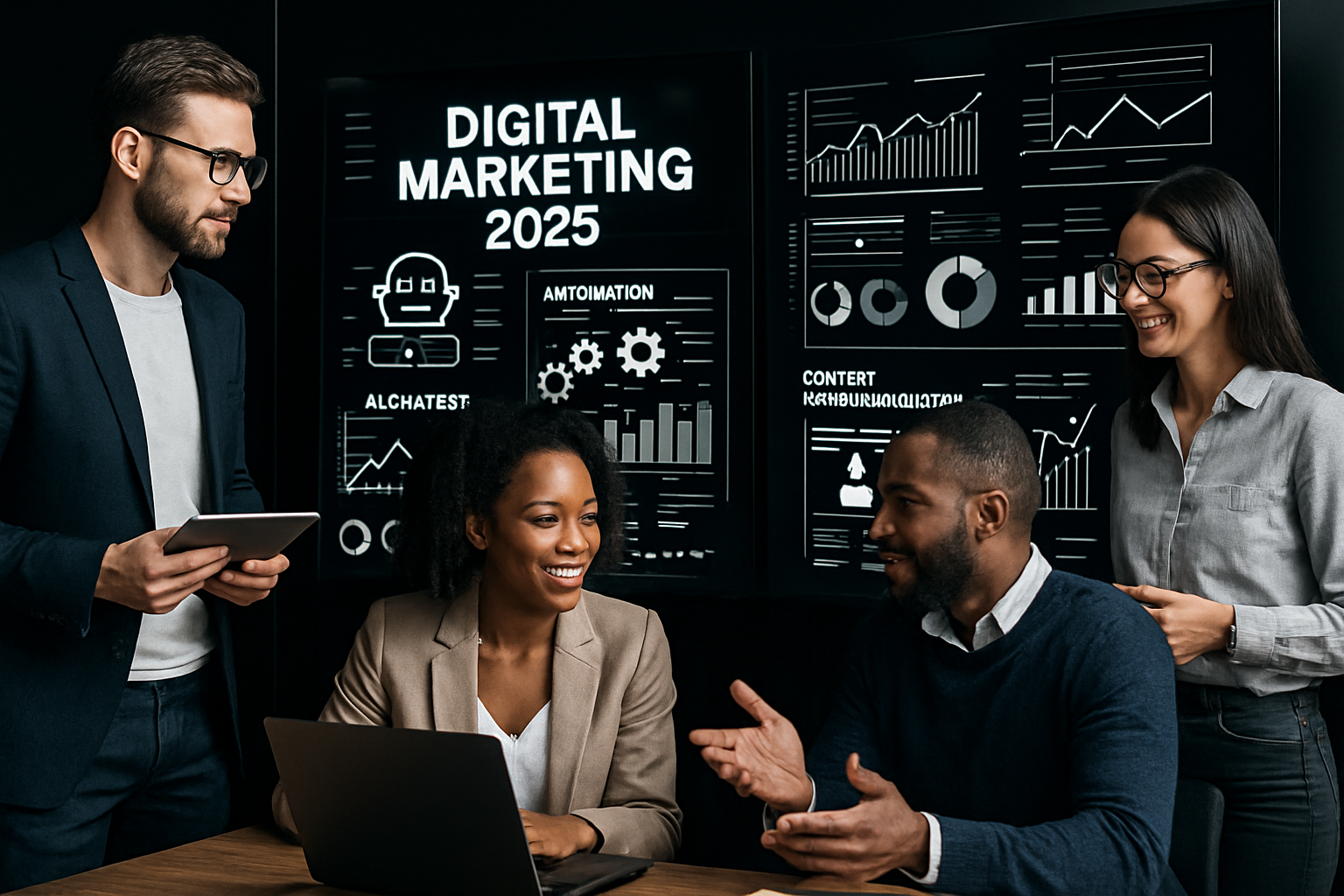
Artificial intelligence is transforming marketing internet strategies at lightning speed. From AI-powered content creation to predictive analytics, automation tools save time and boost performance. Chatbots deliver instant support, while smart algorithms personalize emails, ads, and web experiences in real time.
Consider using platforms like ChatGPT for content ideation or Jasper for generating ad copy quickly. Automated reporting tools also help marketers adjust campaigns on the fly.
For a deeper dive into how AI is reshaping the landscape, check out AI’s Impact on Marketing Strategies. In 2025, integrating these technologies is no longer optional for marketing internet leaders.
Personalization and Customer Experience
Personalization is now the gold standard in marketing internet. Brands that tailor experiences to user preferences see higher engagement and loyalty. Dynamic website elements, personalized product recommendations, and custom email flows all play a role.
To maximize results:
- Use behavioral triggers for email campaigns.
- Show personalized offers based on browsing history.
- Implement omnichannel support like live chat and SMS.
By focusing on these tactics, your marketing internet efforts will feel more human, driving deeper connections with your audience.
Data-Driven Decision Making
Data is the backbone of marketing internet success. Advanced analytics platforms like Google Analytics 4, heatmaps, and attribution models help you track every customer interaction.
Key metrics to monitor:
| Metric | Why It Matters |
|---|---|
| Engagement Rate | Measures true audience interest |
| Customer Lifetime Value | Focuses on long-term ROI |
| Retention Rate | Shows brand loyalty |
Embrace business intelligence for smarter decisions. Explore Business intelligence y analítica digital to learn how analytics can optimize your marketing internet campaigns for better results.
Building Authority and Trust in Competitive Niches
Standing out in crowded markets requires trust and authority. Showcase expertise through case studies, testimonials, and thought leadership. Host webinars, participate in industry events, and encourage customer reviews.
Tactics to boost credibility for your marketing internet approach:
- Display awards and certifications.
- Share behind-the-scenes content.
- Engage in community Q&As and AMAs.
Consistent, transparent communication makes your brand memorable and trustworthy.
Staying Ahead of Trends and Algorithm Updates
The digital world never stands still. Successful marketing internet professionals monitor search and social algorithm changes, experiment with new platforms, and always keep learning.
Stay current by:
- Subscribing to top industry newsletters and podcasts.
- Testing emerging content formats like AR or interactive videos.
- Analyzing competitor strategies for inspiration.
Being proactive ensures your marketing internet strategy remains relevant, resilient, and ready for what’s next.
Common Internet Marketing Mistakes to Avoid in 2025
Even the most experienced marketers can stumble when building a marketing internet strategy for 2025. In a landscape that’s evolving at lightning speed, avoiding common pitfalls is critical for growth.
Here are the most frequent marketing internet mistakes to watch out for:
- Over-reliance on a single channel or tactic. Brands that focus only on one platform risk losing visibility when algorithms shift or trends change.
- Neglecting mobile optimization and accessibility. With most users browsing on mobile, failing to ensure a seamless experience can cost you valuable traffic.
- Ignoring data privacy and compliance. Regulations like GDPR and CCPA are stricter than ever. Overlooking compliance can not only harm your reputation but also lead to hefty fines.
- Not updating strategies for new algorithms or consumer trends. The digital world never stands still. What worked last year may not work now.
- Skipping regular testing and optimization. Without ongoing measurement, you’re blind to what’s working and what needs improvement.
- Missing out on user feedback and community input. Your audience can offer insights that drive innovation and engagement.
- Undervaluing first-party data and relationship marketing. Relying on third-party cookies is no longer sustainable. Instead, focus on building direct connections.
For example, after a major Facebook algorithm update, brands that hadn’t diversified their marketing internet efforts saw their reach plummet overnight. This highlights the danger of putting all your eggs in one basket.
To stay ahead, use digital tools and solutions that enable agility and compliance. Platforms like Kit Digital para marketing online help marketers build a robust, future-ready presence by offering essential resources for modern campaigns.
By steering clear of these common mistakes, your marketing internet strategy will be better equipped to adapt, grow, and deliver results in 2025.
Digital marketing agency in Dubai | Agencia de marketing digital en Madrid