
Are you ready to unlock the secrets of digital growth? Discover how paid media can rapidly boost your brand—even if you’re a total beginner.
In this guide, we break down paid media, making it simple to understand and easy to implement. You’ll learn the basics, top platforms, campaign setup, optimization tips, budgeting, and the latest trends for 2025.
Whether you want to drive traffic, increase sales, or grow your audience, you’ll gain practical skills you can use right away. Let’s dive in and start your paid media journey.
Understanding Paid Media: Fundamentals for Beginners
Curious about how brands reach you online so quickly? That’s the power of paid media. Whether you’re seeing an ad on Google, a sponsored Instagram post, or a banner on your favorite site, paid media is behind it all. Let’s break down what paid media is, why it’s essential for 2025, and how you can master its fundamentals.
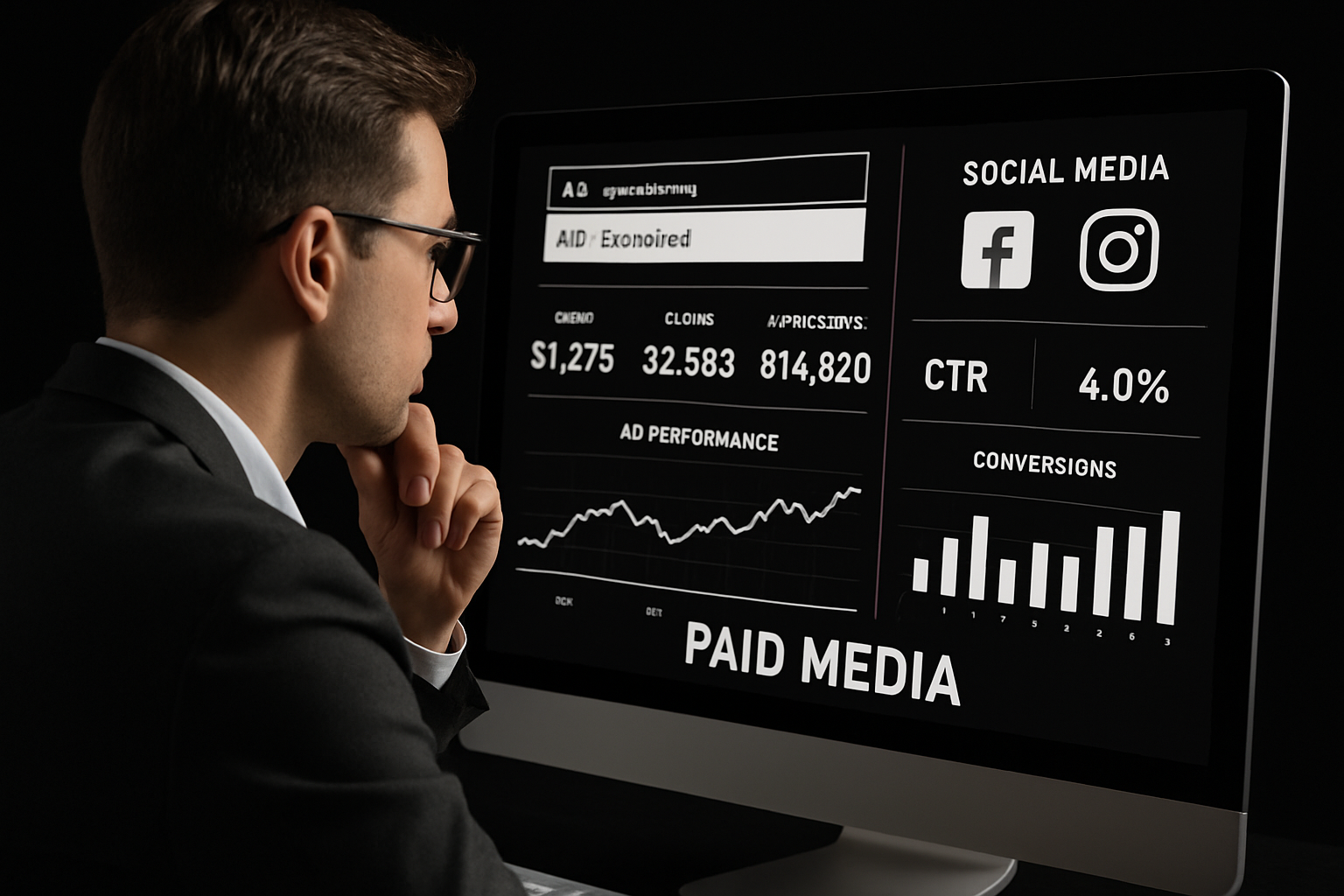
What is Paid Media?
Paid media refers to any digital advertising space or placement that a business pays for to promote its message or products. It stands apart from owned media (your website, email list) and earned media (PR coverage, organic shares).
In paid media, you invest in visibility and audience reach. Typical examples include:
- Pay-per-click (PPC) ads on search engines
- Display ads on websites
- Sponsored posts on social platforms
This approach ensures your brand appears in front of targeted audiences, often driving faster results than organic efforts.
Why Paid Media Matters in 2025
The digital world is always evolving, and so is paid media. By 2025, global digital ad spend is expected to reach $740 billion, highlighting just how central paid media has become for businesses of all sizes. According to the Global digital ad spend forecast 2025, tech giants continue to dominate, but even small brands benefit from the scale and targeting.
Why does this matter? Paid media offers:
- Instant visibility in crowded markets
- Precision targeting based on user behavior
- Scalability to grow with your budget
Recent data shows 68% of marketers saw improved ROI from paid campaigns, making it a must-have for modern strategies.
Types of Paid Media Channels
Paid media isn’t one-size-fits-all. There are several key channels you can explore, each with unique strengths:
- Search Ads: Appear on platforms like Google Ads and Bing, targeting users actively searching for relevant terms.
- Social Media Ads: Run on Meta (Facebook/Instagram), TikTok, and LinkedIn, perfect for engaging users in their feeds.
- Display & Programmatic Ads: Show banners or interactive ads across websites using automated buying.
- Influencer & Native Advertising: Leverage trusted voices or blend ads naturally into content.
Choosing the right mix of paid media channels depends on your goals and audience.
Key Terms & Metrics to Know
Understanding the language of paid media is crucial for campaign success. Here are some essential terms:
| Metric | Meaning |
|---|---|
| CPC | Cost Per Click – what you pay per click |
| CPM | Cost Per Mille – cost per 1,000 views |
| CPA | Cost Per Acquisition – cost per conversion |
| ROAS | Return on Ad Spend – revenue/ad spend |
| CTR | Click-Through Rate – % who click your ad |
| Conversion Rate | % of users who complete a goal |
Tracking these metrics helps you gauge performance, optimize spend, and grow your paid media results.
Paid Media vs. Organic Marketing
How does paid media stack up against organic marketing? Paid media delivers speed and scalability—you can reach thousands overnight. Organic marketing, like SEO and social content, builds trust and delivers value over the long run.
Smart marketers use both. Paid media brings quick wins and targeted traffic, while organic efforts nurture relationships and provide lasting results. Combined, they create a balanced, high-impact strategy for digital growth.
Choosing the Right Paid Media Platforms
Selecting the right platforms is essential for paid media success in 2025. The landscape is vast, and where you invest your budget can make or break campaign results. Let’s walk through how to evaluate your options and make informed decisions.

Assessing Your Audience and Goals
Before diving into paid media, take a close look at your audience and objectives. Who are your ideal customers? Build detailed buyer personas, considering age, interests, location, and online behavior.
Define what you want to achieve with paid media. Is your goal brand awareness, lead generation, or direct sales? Aligning your objectives with your audience ensures you select platforms that reach the right people and drive results.
List your top priorities:
- Who is your target demographic?
- What are their online habits?
- Which platforms do they frequent?
Understanding these factors is the foundation of any successful paid media strategy.
Overview of Major Platforms in 2025
The paid media landscape is dominated by several key players, each offering unique strengths. Google Ads remains the go-to for search and display, delivering high-intent traffic across a massive network.
Meta Ads, encompassing Facebook and Instagram, excel at social engagement and detailed targeting. TikTok Ads have surged in popularity, capturing younger audiences with short-form video. LinkedIn Ads are a staple for B2B campaigns, offering powerful business targeting.
To better understand where your budget might have the most impact, consider this digital advertising market analysis 2025, which highlights the rapid growth and evolving dynamics of these major platforms.
Platform Strengths & Weaknesses
Each paid media platform comes with distinct pros and cons. Here’s a quick comparison:
| Platform | Strengths | Weaknesses |
|---|---|---|
| Google Ads | High-intent, vast reach | Can be costly, steep learning curve |
| Meta Ads | Detailed targeting, strong visuals | Rising costs, ad fatigue |
| TikTok Ads | Gen Z reach, video creativity | Limited B2B, trend-dependent |
| LinkedIn Ads | B2B targeting, professional users | Higher CPC, niche audience |
Consider the cost, targeting options, ad formats, and how quickly you can learn each platform. For example, Google Ads is perfect for capturing users ready to buy, while TikTok shines for building brand awareness with creative content.
Niche and Emerging Platforms
Don't overlook niche and emerging paid media platforms. Pinterest offers visual discovery and is ideal for lifestyle brands. Snapchat connects with younger audiences through ephemeral content. Reddit provides access to passionate communities, while programmatic networks automate ad placement across the web.
These platforms may have lower competition and cost, making them attractive for specific goals. Consider alternatives when your audience is highly specialized or when you want to diversify your paid media mix.
Platform Selection Checklist
Use this checklist to guide your paid media platform selection:
- Does the platform align with your campaign goals?
- Can you reach your target audience effectively?
- What is the minimum budget required to compete?
- Do you have resources to create platform-specific content?
- How does each platform’s analytics help you track ROI?
Matching your needs with the right paid media platforms ensures your campaigns are efficient and effective. Review your answers before committing budget to any channel.
Setting Up Your First Paid Media Campaign: Step-by-Step
Ready to launch your first paid media campaign? The process can seem overwhelming, but breaking it down into simple steps makes it manageable. Whether your goal is leads, sales, or awareness, this roadmap will guide you through every crucial phase.
Defining Clear Campaign Objectives
Every successful paid media campaign starts with a clear objective. Are you aiming for brand awareness, more website traffic, lead generation, or direct sales? Pinpointing your goal sets the direction for everything that follows.
Use the SMART framework: make objectives Specific, Measurable, Achievable, Relevant, and Time-bound. For example, instead of "get more leads," try "generate 50 qualified leads in 30 days from Facebook Ads." This clarity helps you set meaningful KPIs and track progress.
By aligning your campaign’s purpose with your business goals, you ensure your paid media investment delivers results that matter.
Audience Targeting & Segmentation
Targeting is the heart of paid media success. Start by defining your ideal customer with demographic data (age, gender, income), geographic location, and psychographics (interests, values).
Platforms allow for detailed segmentation. You can create custom audiences based on website visitors or upload customer lists. Lookalike audiences help you reach people similar to your best customers.
Behavioral targeting lets you serve ads to users based on actions, like visiting your site or engaging with your content. The more precise your paid media targeting, the higher your chances of converting prospects.
Crafting Compelling Ad Creative
Your ad creative is what grabs attention in the crowded paid media landscape. Strong visuals, clear messaging, and irresistible calls-to-action (CTAs) make all the difference.
Best practices include using high-contrast images, concise headlines, and benefits-focused copy. Test multiple versions of your creative—different headlines, images, and CTAs—to discover what resonates.
A/B testing is essential. Run two variations side by side, measure which performs better, and refine your approach. Creative experimentation is key to paid media campaign growth.
Setting Budgets & Bids
Budgeting can make or break your paid media results. Decide between daily or lifetime budgets based on campaign duration and flexibility. Daily budgets give you steady spend control, while lifetime budgets offer more flexibility for pacing.
Choose between manual bidding (setting your own max cost-per-click) and automated bidding, where platforms optimize for your goals. For a deeper dive into budget optimization strategies, especially across multiple channels, check out this research on adaptive budget optimization in multichannel advertising.
Setting realistic budgets ensures you gather enough data to optimize, while smart bidding strategies help you maximize your paid media ROI.
Launching and Monitoring Your Campaign
Once your paid media campaign is ready, launch it through your chosen platform’s interface. For example, Google Ads guides you step-by-step: select goals, target audience, set budget, upload creative, and review before going live.
After launch, monitor metrics like impressions, clicks, and conversions. Most platforms provide dashboards where you can adjust targeting or creative in real time.
Stay proactive—track daily performance and make small tweaks. Early monitoring helps you catch issues and optimize your paid media campaigns quickly.
Common Pitfalls and How to Avoid Them
Even seasoned marketers face challenges with paid media. Common pitfalls include ad fatigue (when audiences see the same creative too often), poor targeting, and budget misallocation.
To avoid wasted spend, review your targeting settings regularly. If your ads are too broad, you may reach uninterested users. Rotate creative frequently to keep engagement high.
Set clear rules for pausing underperforming ads and reallocating budget to winners. With careful monitoring and a willingness to iterate, you can sidestep the most frequent paid media missteps.
Optimizing and Scaling Paid Media Campaigns
Unlocking the full potential of your paid media campaigns requires more than just launching ads. Optimization and scaling are ongoing processes that keep your efforts cost-effective and high-performing. Let’s break down the essential steps to mastering this stage.

Interpreting Campaign Data & Analytics
Understanding your data is the first step to improving paid media results. Every ad platform, from Google Ads to Meta, provides dashboards packed with metrics like impressions, clicks, and conversions. But which numbers matter most?
Focus on key indicators such as click-through rate (CTR), cost per conversion, and return on ad spend (ROAS). Use Google Analytics alongside platform dashboards to track the customer journey from ad click to purchase.
Create regular reports to spot trends and identify which ads or audiences perform best. This approach helps you optimize paid media spend and refine your strategy as you scale.
Conversion Rate Optimization (CRO)
Driving traffic is only half the battle in paid media. To maximize your investment, you need to turn clicks into customers. That’s where conversion rate optimization comes in.
Start by analyzing your landing pages. Are they clear, fast, and relevant to your ad? Test different headlines, images, and calls-to-action using A/B testing. Even small tweaks can boost your conversion rate.
Consider the entire user experience—from ad creative to checkout. A seamless journey increases the effectiveness of your paid media campaigns and delivers better results for every dollar spent.
Budget Allocation & Scaling Strategies
Knowing when and how to scale is crucial for paid media growth. Begin by reviewing your campaign performance. Allocate more budget to high-performing ads or audiences while pausing underperformers.
Scaling doesn’t mean doubling your spend overnight. Try incremental increases, such as 10–20% weekly, while monitoring results closely. This approach keeps your paid media campaigns stable and efficient.
Track ROI on every channel. Use data to justify budget shifts and ensure your scaling efforts drive profitable growth rather than wasted spend.
Retargeting and Remarketing Techniques
Most people won’t convert on their first visit, which is why retargeting is a powerful paid media tactic. Set up audiences of previous website visitors or cart abandoners within your ad platforms.
Use dynamic ads to show users products they viewed or similar options. Sequential messaging—showing different ads over time—can guide users along the buying journey.
Retargeting boosts the efficiency of your paid media by focusing spend on warm prospects, increasing your campaign’s overall conversion rate.
Automation and AI in Paid Media
Artificial intelligence is transforming paid media in 2025. Platforms now offer smart bidding, automated rules, and AI-powered creative that adapts in real time. These tools help advertisers save time and maximize results.
Did you know that 70% of marketers use automation in paid campaigns? AI can analyze vast amounts of data, optimize bids, and personalize ads at scale. For more on the future impact of AI, check out AI's impact on advertising by 2025.
Embracing automation ensures your paid media stays competitive as the landscape evolves.
Troubleshooting and Continuous Improvement
No paid media campaign is perfect from day one. Performance can drop for many reasons—ad fatigue, market shifts, or targeting issues. Regularly review analytics to diagnose problems quickly.
Adopt an iterative testing mindset. Experiment with new creatives, audiences, and bidding strategies. Document your findings, learn from both wins and losses, and keep refining.
Continuous improvement is the secret weapon of successful paid media marketers. Stay curious, adapt fast, and your campaigns will keep getting better.
Paid Media Budgeting and ROI Management
Budgeting and managing return on investment are essential skills for any beginner diving into paid media. Getting your numbers right from the start helps prevent wasted spend and ensures your campaigns deliver measurable business value.
Setting Realistic Budgets for Beginners
Setting an effective paid media budget starts with understanding industry benchmarks. Many beginners worry about overspending, but starting small is wise. For example, average cost-per-click (CPC) can range from $1–$3 in most industries, but highly competitive sectors like legal or finance can see CPCs as high as $10.
Begin by evaluating your goals and the lifetime value of your customers. Allocate a portion of your marketing funds to paid media, keeping flexibility for adjustments as you learn. Remember, your initial investment should give you enough data to analyze performance, but not strain your resources.
Calculating and Improving ROAS
Return on ad spend (ROAS) is a crucial metric for measuring paid media effectiveness. The formula is simple:
ROAS = Revenue from Ads / Cost of Ads
Aim for a minimum ROAS of 3:1, though this can vary by industry. Regularly review your campaigns to identify what’s driving results. Boost ROAS by refining your audience targeting, testing different creative assets, and optimizing landing pages. If your paid media campaigns aren’t meeting targets, adjust bids or reallocate budget to stronger performers. Consistent monitoring ensures you maximize every dollar.
Managing Spend Across Multiple Platforms
As your paid media strategy matures, you’ll likely run ads on several platforms. Managing spend across Google Ads, Meta, and others requires careful tracking. Allocate budgets based on each platform’s performance data rather than splitting funds evenly.
Use attribution models to understand how different channels contribute to conversions. Regular reporting helps you spot trends and shift spending where it’s making the most impact. Cross-channel management ensures your paid media investments work together to drive the best possible results for your business.
Tools for Budget Tracking and Forecasting
Efficiently tracking and forecasting paid media budgets is easier with the right tools. Free options like Google Ads Budget Planner help you simulate spend scenarios and project campaign outcomes. For more detailed analysis, Excel templates or tools like SEMrush and HubSpot offer robust reporting features.
Here’s a quick comparison:
| Tool | Features | Cost |
|---|---|---|
| Google Ads Planner | Forecasting, scenarios | Free |
| Excel Templates | Customizable, manual | Free/Paid |
| SEMrush | Multi-channel analytics | Paid |
Regularly reviewing your paid media budget with these tools keeps you on track and ready to scale.
Future Trends in Paid Media: What to Expect in 2025
Staying ahead in paid media means embracing change. As we move into 2025, three major trends are shaping how marketers plan and execute their campaigns. Being aware of these shifts will help you make smarter decisions and keep your paid media strategies effective.
Privacy Changes and Cookieless Tracking
Privacy is a top concern in paid media for 2025. Regulations like GDPR and CCPA are pushing platforms to reduce reliance on third-party cookies. Marketers now focus on collecting first-party data—information that customers willingly share with brands. This shift means paid media campaigns must put user trust first.
Contextual targeting is also rising. Instead of tracking users across the web, ads are placed based on the content people are viewing in the moment. This approach keeps paid media relevant while respecting privacy. Staying updated on privacy rules helps ensure your strategies remain compliant and effective.
The Rise of Video and Interactive Ads
Video content is dominating the paid media landscape. Short-form videos, especially on platforms like TikTok and Instagram Reels, grab attention quickly and drive engagement. Interactive ads, such as polls or shoppable videos, create opportunities for deeper audience interaction.
According to industry forecasts, video ad spend is projected to grow by 20% in 2025. Brands using paid media are shifting more budget to these formats because they deliver strong results. If you want your campaigns to stand out, consider testing new video and interactive ad types.
AI, Automation, and Personalization
Artificial intelligence is transforming paid media in powerful ways. Platforms now use machine learning to optimize bids, placements, and creative in real time. For example, AI-powered dynamic creative optimization automatically tailors ad content to each user, improving relevance and performance.
Automation is also streamlining campaign management. In fact, 70% of marketers now use automation in paid media efforts. Embracing these tools saves time and boosts ROI. As AI advances, expect even more personalized and effective paid media campaigns in the years ahead.